
Diplomatic Push Meets Steep Hurdles
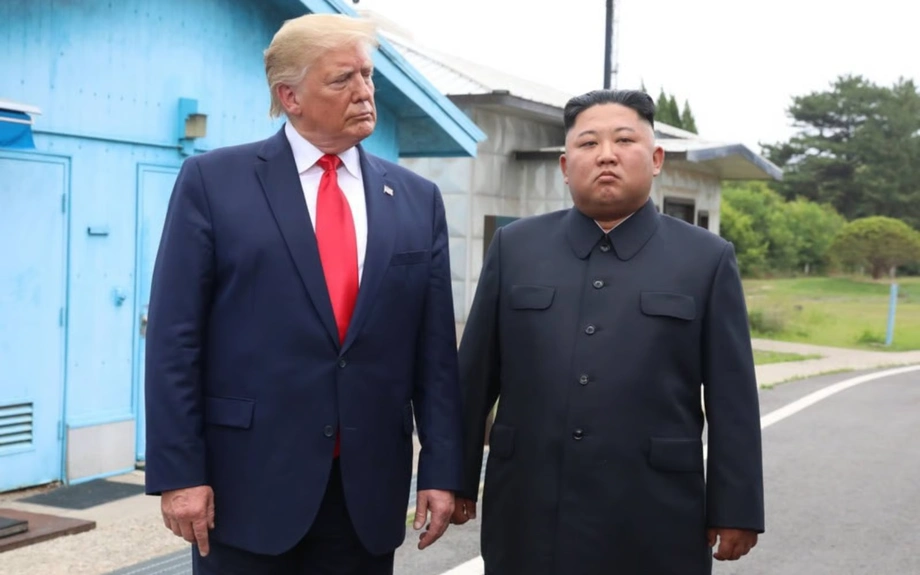
United States President Donald Trump attempted to arrange a high-stakes meeting with North Korean leader Kim Jong Un during his Asian tour in November 2026, but the effort collapsed when Pyongyang put forward terms Washington could not accept. The diplomatic maneuvering unfolded around the Asia-Pacific Economic Cooperation summit held on November 18 and 19, 2026, in Shenzhen, China. President Trump hoped to secure a breakthrough following a difficult domestic political cycle that included losses in the US midterm elections. Yet the outreach failed to bridge a wide gap between Washington and Pyongyang, leaving the regional security situation in a familiar state of deadlock.
Contenido
White House officials and diplomatic observers noted that President Trump arrived in Asia eager to reengage with the North Korean leadership. He had publicly mentioned the possibility of a meeting before leaving the United States, pointing to past encounters such as their 2018 Singapore summit and the 2019 brief meeting at the demilitarized zone. However, the political landscape in Pyongyang had shifted significantly since those early interactions, giving Kim Jong Un far less incentive to rush into talks.
Contemplating Major Policy Shifts
American negotiators discussed several sweeping concessions to entice North Korea back to the negotiating table, according to reports published by the Wall Street Journal on November 21, 2026. Among the proposals under review was a formal declaration to end the 1950-1953 Korean War, an objective Pyongyang has pursued for decades as a symbol of reduced hostility. Washington also explored issuing a joint statement that would stop short of officially granting North Korea nuclear-armed status while temporarily setting aside demands for immediate total denuclearization.
Under that contemplated arrangement, the United States would have focused on restricting North Korean nuclear tests and missile launches rather than forcing the dismantling of existing arsenals. Negotiators additionally weighed the establishment of diplomatic liaison offices as a step toward normal relations. Such measures would have represented a profound departure from long-standing American policy, which has consistently demanded the complete, verifiable, and irreversible dismantlement of North Korea's nuclear weapons program.
A Cold Reception in New York
Efforts to restart communication channels faced immediate resistance before the leaders ever reached a summit venue. President Trump attempted to contact Kim through existing telephone networks and diplomatic conduits, but those messages went unanswered. The White House then resorted to unconventional delivery methods, sending officials to the Permanent Mission of the Democratic People's Republic of Korea to the United Nations in Manhattan to hand-deliver a presidential letter to a North Korean diplomat. That diplomatic gesture ended abruptly when the diplomat later dropped the unopened envelope onto a table directly in front of the American delegation during a United Nations meeting.
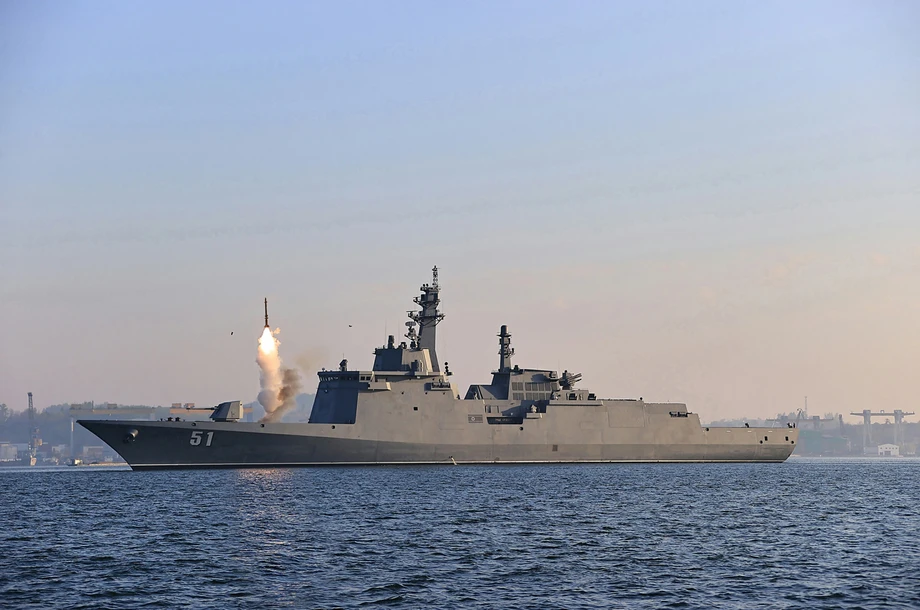
North Korea also signaled its refusal to engage through military actions rather than words. On the eve of President Trump's arrival in South Korea, Pyongyang launched a series of cruise missiles off its western coast, boasting of major advancements in practical nuclear capabilities. When asked about the stalled diplomacy during an interview with NBC News as he prepared to leave China, President Trump acknowledged the reality of the situation.
I have a very good relationship with Kim Jong Un, but we did not meet this time. There were too many meetings. We will talk at some point in the future.
Growing Nuclear Arsenals and Alliances
The reluctance of North Korean leadership to meet stems in part from a substantial increase in military power and strategic confidence since 2019. Independent security estimates, including figures from the Stockholm International Research Institute, indicate that North Korea has expanded its nuclear stockpile from roughly 20 to 30 warheads up to approximately 60 warheads. Pyongyang has also successfully deployed solid-fuel intercontinental ballistic missiles capable of striking the American mainland.
Furthermore, North Korea has strengthened its geopolitical standing through closer military alignment with Russia and renewed ties with China. The participation of Kim Jong Un in Beijing events alongside regional powers demonstrated a new level of international visibility. Analysts note that these developments make traditional incentives, such as minor sanctions relief, far less compelling to a regime that feels secure in its nuclear status and regional partnerships.
Regional Concerns and Domestic Focus
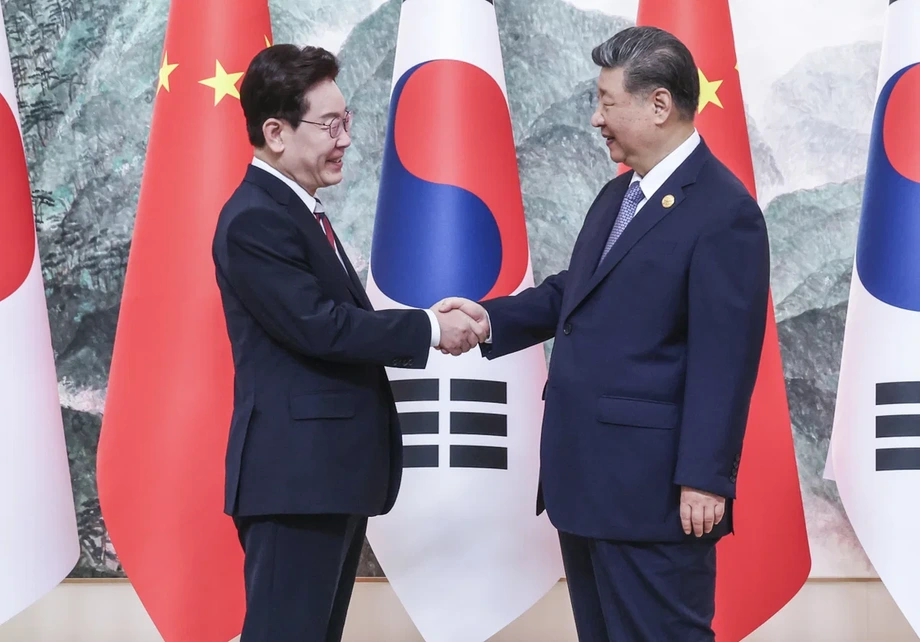
The prospect of Washington softening its denuclearization stance has triggered deep anxiety among American allies, particularly South Korea and Japan. Foreign policy experts warned that treating North Korea as a de facto nuclear state would undermine decades of non-proliferation efforts and leave neighboring democracies more vulnerable to coercion. Meanwhile, the administration in Seoul faced its own diplomatic test in trying to maintain a leading role in peninsular affairs while major powers negotiated around it.
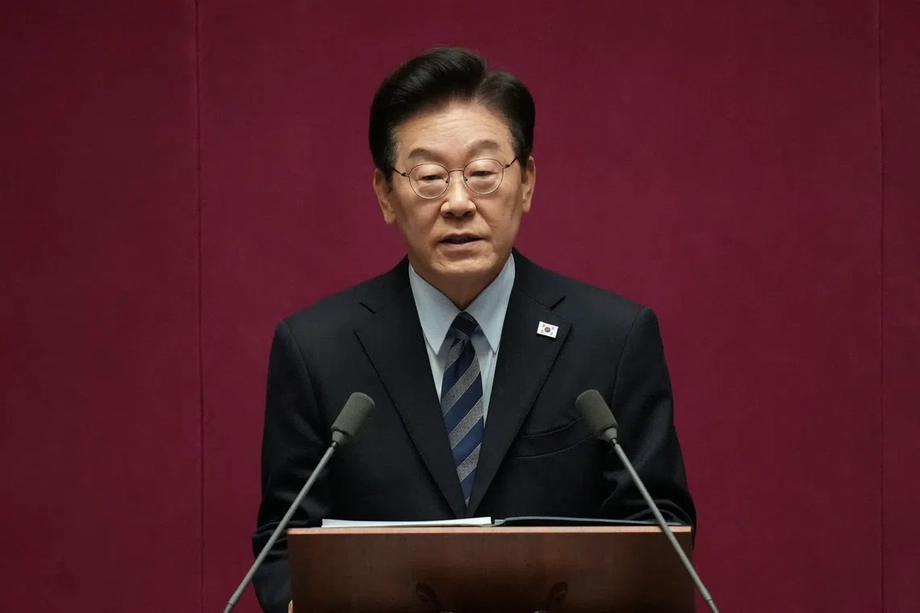
President Lee Jae-myung's administration emphasized that Seoul must drive efforts to resolve core security issues on the peninsula rather than relying entirely on outside actors. Following the failed diplomatic overture, North Korean state media reported that Kim Jong Un inspected domestic construction sites for educational equipment in Pyongyang, turning public attention away from foreign diplomacy and toward internal economic and industrial projects.
At a Glance
- President Trump sought a summit with Kim Jong Un during his Asian tour in November 2026.
- Washington considered offering a Korean War peace declaration and pausing demands for immediate denuclearization.
- North Korea rejected the outreach, and a hand-delivered presidential letter was returned unopened at the United Nations.
- Independent estimates place North Korea's current nuclear arsenal at approximately 60 warheads.
- Pyongyang shifted public focus toward domestic industrial projects and education infrastructure rather than engaging in foreign talks.