
Understanding the Arsenic Contamination in Northern Rivers
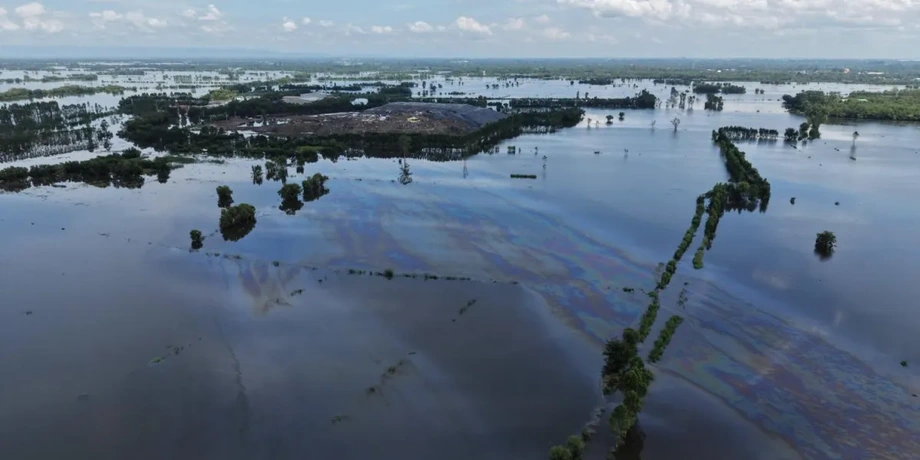
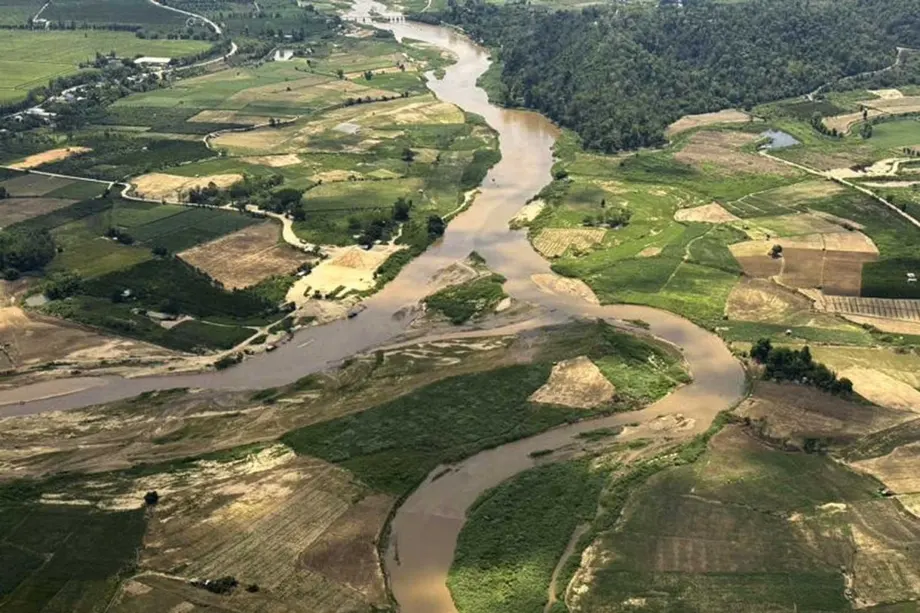
Residents across northern Thailand, particularly in Chiang Rai province, are facing growing concerns regarding water safety after tests revealed high levels of arsenic and other heavy metals in local waterways. The Kok River, the Sai River, and the Ruak River have all shown elevated concentrations of contaminants following upstream activities. Arsenic is a naturally occurring metalloid element, but human activities such as industrial mining can release inorganic arsenic into the environment in quantities that pose severe risks to public health. When water sources become clouded with heavy sediment, treatment facilities face operational hurdles that can temporarily disrupt local water supplies.
Contenido
- Understanding the Arsenic Contamination in Northern Rivers
- Tracing the Origins of Border Pollution
- Health Risks Associated with Long-Term Exposure
- Screening Results and Health Surveillance in Chiang Rai
- Practical Guidance for Riverside Communities
- Legislative Actions and Parliamentary Inquiries
- Timeline of Key Developments
- At a Glance
Government authorities and health officials have stepped up monitoring efforts to understand the full scale of the contamination. The Ministry of Public Health has outlined a comprehensive three-stage strategy to address the pollution, focusing on immediate short-term relief, intermediate source investigation, and long-term river basin management. These measures aim to reduce direct exposure for riverside communities while international negotiations work to tackle the root causes across national borders.
Tracing the Origins of Border Pollution
Satellite imagery and environmental tracking indicate that much of the heavy metal pollution originates from mining operations located upstream in neighbouring countries. Research from organizations monitoring regional development points to numerous mining sites in the border regions, including areas within Shan State in Myanmar and upper reaches connected to Chinese territory. Rare earth mining and gold extraction processes often generate runoff containing toxic substances that wash into shared river networks during seasonal rains.
Thai authorities have engaged in high-level diplomatic talks to establish joint monitoring and cooperative prevention frameworks with upstream neighbours. During diplomatic visits, Thai officials pressed for collaborative water quality checks near mining zones to identify exact discharge points. Discussions have also explored the deployment of isotope analysis, a scientific technique that examines atomic weight variations in chemical elements to act as a chemical fingerprint, helping researchers match waterborne arsenic to specific industrial sources.
Health Risks Associated with Long-Term Exposure
Medical experts emphasize that health impacts from arsenic depend heavily on whether exposure is acute or chronic. Acute poisoning from high doses over a short period typically causes severe abdominal pain, vomiting, diarrhea, and numbness in the extremities. Chronic exposure over years or decades can lead to more insidious health problems, including distinct skin lesions such as dark spots and hardened patches on the palms and soles. Over extended periods, inorganic arsenic is classified as a human carcinogen linked to cancers of the skin, lungs, bladder, liver, and kidneys.
Cardiovascular specialists have also warned about the hidden dangers of chronic accumulation. Long-term exposure damages blood vessel linings, increases oxidative stress, and promotes chronic inflammation that can narrow arteries and cause blood clots. Furthermore, arsenic interferes with the heart electrical system by lengthening the QT interval on electrocardiograms, raising the risk of dangerous cardiac arrhythmias.
The contamination problem has persisted for more than two years, and the ministry was tracking residents health alongside drinking water, household supplies and natural waterways, working with environmental authorities.
That assessment was shared by Permanent Secretary for Public Health Dr. Somruek Jungsaman, who noted that health officials are carefully evaluating screening data from at-home and community testing programs.
Screening Results and Health Surveillance in Chiang Rai
Public health teams have screened thousands of at-home residents and tested specific high-risk individuals in northern districts. Out of initial screenings conducted in early phases, a small number of residents showed urine arsenic levels exceeding reference standards, prompting closer medical follow-up. Officials stressed that elevated urinary test results require careful interpretation because dietary factors, such as consuming certain types of seafood containing organic arsenic, can temporarily elevate total readings without indicating poisoning.
To refine diagnostics, medical laboratories utilize specialized speciation tests to separate harmless organic compounds from toxic inorganic forms. Although a few individuals have required medical investigation, public health authorities reported no confirmed outbreaks of acute or chronic arsenic poisoning among villagers at this stage of the monitoring process.
Practical Guidance for Riverside Communities
Government agencies have issued strict advisory guidelines for residents living along the affected river basins. People are advised to avoid direct contact with untreated river water and sediment, and farmers working in irrigated fields are encouraged to wear protective boots, gloves, and socks. A common misconception among villagers is that boiling water will neutralize heavy metals, but experts reiterate that heat does not eliminate arsenic or other metallic elements, and evaporation may actually increase the concentration.
For households seeking laboratory verification, regional science centers offer testing services for water and food samples for a standard fee. Meanwhile, the Provincial Waterworks Authority has maintained that treated tap water from major municipal plants remains safe for consumption, while village groundwater systems in specific high-risk zones undergo more frequent testing.
Legislative Actions and Parliamentary Inquiries
Elected officials and parliamentary committees have taken active steps to press the government for rapid intervention. Members of Parliament recently submitted formal inquiries to multiple house committees, demanding transparent data sharing, stricter trade controls on mining chemicals crossing the border, and financial compensation frameworks for affected farmers whose livelihoods depend on river irrigation.
Government ministers have assured the public that state agencies are coordinating assistance, including plans to drill deeper groundwater wells, deploy mobile reverse osmosis water treatment units, and construct alternative water distribution systems in vulnerable subdistricts.
Timeline of Key Developments
- August 2026: Preliminary river tests in northern border areas record elevated arsenic spikes.
- Late September 2026: Pollution Control Department monitoring confirms widespread exceedances across shared river sites.
- November 5, 2026: High turbidity and muddy water temporarily disrupt the Mae Sai water treatment plant.
- November 12, 2026: Thai Foreign Minister Sihasak Phuangketkeow raises river pollution concerns during talks in Naypyidaw.
- November 17, 2026: Public Health Ministry officials report initial health screening results and outline precautionary advisories.
- November 25 to 26, 2026: Joint working group meetings between Thailand and Myanmar convene to plan cross-border water management.
At a Glance
- Tests along northern rivers revealed arsenic levels exceeding national surface water safety limits.
- The contamination is primarily linked to upstream mining activities across international borders.
- Health authorities report no confirmed cases of acute poisoning, though localized screening continues.
- Boiling water does not remove heavy metal contaminants from natural water sources.
- Bilateral talks between Thailand, Myanmar, and China aim to establish joint monitoring and source control.