
Malaysia Plans Nationwide Healthcare Overhaul
Malaysia is preparing for a massive shift in how medical care is funded and delivered across the country. Government leaders have laid out plans to introduce a new basic insurance plan and set up a national health fund by early 2027. These changes aim to make healthcare more affordable for middle-class families while easing the heavy burden on public hospitals.
Contenido
Economy Minister Akmal Nasrullah Mohd Nasir announced the strategic priorities during the 35th Malaysian Urological Conference 2026 held on November 21, 2026. He spoke alongside several medical leaders, including Malaysian Urological Conference chairman Dr Arvind Vashdev Jagwani, newly elected Malaysian Urological Association president Dr Toh Charng Chee, and KPJ Selangor consultant urologist Prof Datuk Dr Khairul Asri Mohd Ghani. The reforms are designed to work alongside the existing public health system without lowering the quality of medical treatment.
Understanding the Financial Pressures on Public Hospitals
Malaysia currently spends about 4.6 percent of its total economic output, known as Gross Domestic Product, on health. This figure comes from the Malaysia National Health Expenditure report for 2011 to 2023, published in December 2024. Public spending accounts for 2.4 percent while private spending makes up 2.2 percent. Health experts suggest that upper-middle-income countries should spend between 5 and 6 percent of their economic output on public health to ensure everyone has access to care.
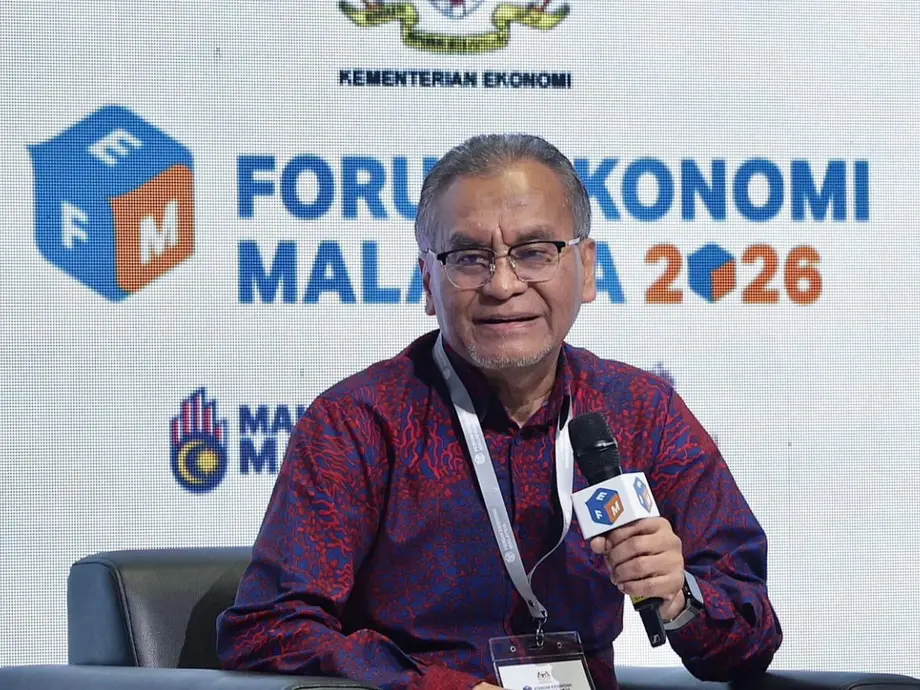
Health Minister Dr Dzulkefly Ahmad spoke at the Forum Ekonomi Malaysia 2026 on February 5, 2026, explaining that the government wants to boost public health spending before the next general election due by February 2028. Under the 2026 budget, the Ministry of Health received 46.5 billion ringgit, which represents an increase of 2.76 percent from the previous year. To secure long-term funding, the government is exploring a National Health Fund that would combine general tax revenue with contributions from employers and employees.
Discussions around funding models point to a hybrid approach similar to systems used in other nations. Galen Centre for Health and Social Policy chief executive Azrul Mohd Khalib suggested that a contribution rate similar to social security programs, requiring 1.75 percent from employers and 0.5 percent from employees, could raise about 6 billion ringgit annually. The government plans to draft the National Health Fund Act by 2029 to formalize these financial structures.
Introduction of the MediAsas Insurance Scheme
A central piece of the upcoming reform is the MediAsas initiative, also referred to as the Base Medical and Health Insurance and Takaful plan. Scheduled for a public launch in January 2027, this standalone product is designed for citizens who struggle to pay for private coverage or find traditional policies too complicated. Bank Negara Malaysia Deputy Governor Aznan Abdul Aziz explained that the product aims to address rising medical costs through standardized benefits and tighter claims monitoring.
Unlike many existing medical plans tied to investments, MediAsas is a straightforward product that does not rely on market returns to keep premiums stable. Bank Negara Malaysia has also introduced stricter rules requiring insurance operators to provide clear annual updates on policy sustainability. Contributors to the Employees Provident Fund will be able to use their savings to purchase this basic health insurance plan.
Co-Payments and Panel Hospital Networks
The MediAsas scheme introduces a structured system of co-payments to help keep insurance premiums affordable over time. A co-payment is the portion of a medical bill that a policyholder pays out of pocket while the insurance company covers the rest. Under the basic tier known as MediAsas Teras, policyholders under the age of 60 will pay a deductible of 500 ringgit per disability when visiting approved panel hospitals. Those aged 60 and above will pay 1,000 ringgit.
For treatments at hospitals outside the approved network, a 20 percent co-insurance applies, capped at 3,000 ringgit for individuals under 60 and 4,000 ringgit for older policyholders. These co-payment rules are waived for emergency care, government facility treatments, and outpatient cancer care. The plan provides an annual coverage limit of 100,000 ringgit, which increases automatically to 150,000 ringgit when the policyholder turns 60, with no lifetime limit.
ProtectHealth Corporation Sdn Bhd, a not-for-profit company under the Ministry of Health, is currently building the nationwide network of panel hospitals. These facilities are evaluated based on clinical quality, pricing transparency, and service capacity to ensure patients have reasonable access outside major cities.
Phasing Out the Fee-For-Service Payment Model
Private hospitals in Malaysia traditionally charge patients using a fee-for-service model, where every consultation, test, and procedure is billed separately. The government plans to replace this approach with Diagnosis-Related Groups, a system that groups patients by their diagnosis and pays hospitals a standardized rate for the entire episode of care. This change is intended to prevent hospitals from overcharging and make medical costs more predictable.
Implementing this new payment system requires accurate data from private hospitals. Parliament's Public Accounts Committee recently raised concerns that billing data collected through the Price, Admission, and Clinical Electronic Datahub covered only 39.4 percent of estimated inpatient admissions. Committee chairwoman Mas Ermieyati Samsudin highlighted thousands of cases where billing data was unavailable, questioning whether the current dataset is large enough to set reliable payment rates. Ministry officials acknowledged that participation was voluntary and that a phased rollout is necessary while hospitals improve their clinical coding systems.
Addressing Cancer Care and Public Health Priorities
Alongside financial reforms, government officials are focusing on specific health challenges facing the population. Economy Minister Akmal Nasrullah noted a sharp rise in prostate cancer cases based on data from the Malaysia National Cancer Registry Report for 2017 to 2021. Recorded cases climbed to 6,441, up from 4,189 in the 2012 to 2016 period. More than 63 percent of those cases with staging information were diagnosed at advanced stages, specifically Stage III or IV.
To combat lifestyle-related illnesses, the government is moving forward with additional public health measures. Excise duties on tobacco and alcohol were raised to help fund treatments for lung health, diabetes, and heart disease. Furthermore, the Health Ministry plans to finalize a draft Nutrition Bill in 2027 to regulate the advertising of unhealthy foods, especially products marketed toward children.
Meanwhile, the Madani Medical Scheme, which provided primary care for acute conditions at private clinics, will not continue past 2027 because its goal of reducing crowding at government clinics has largely been met. The government is shifting its focus toward comprehensive chronic disease screenings, ensuring that patients receive long-term management for conditions like hypertension and diabetes.
At a Glance
- The Ministry of Economy outlined four strategic priorities under the 13th Malaysia Plan, focusing on healthcare investment, financing sustainability, industry growth, and talent development.
- The MediAsas basic medical insurance plan is scheduled for launch in January 2027 as a standalone, non-investment-linked product with standardized benefits.
- A proposed National Health Fund aims to combine tax-based funding with employer and employee contributions, with legislation targeted for drafting by 2029.
- Private hospitals will gradually transition from a fee-for-service model to Diagnosis-Related Groups to standardize treatment costs and prevent overcharging.
- Prostate cancer cases rose to 6,441 in the 2017 to 2021 registry report, with a majority of staged cases diagnosed at advanced stages III or IV.