
Declassification of Pardons Board Minutes Sparks Legal Battles
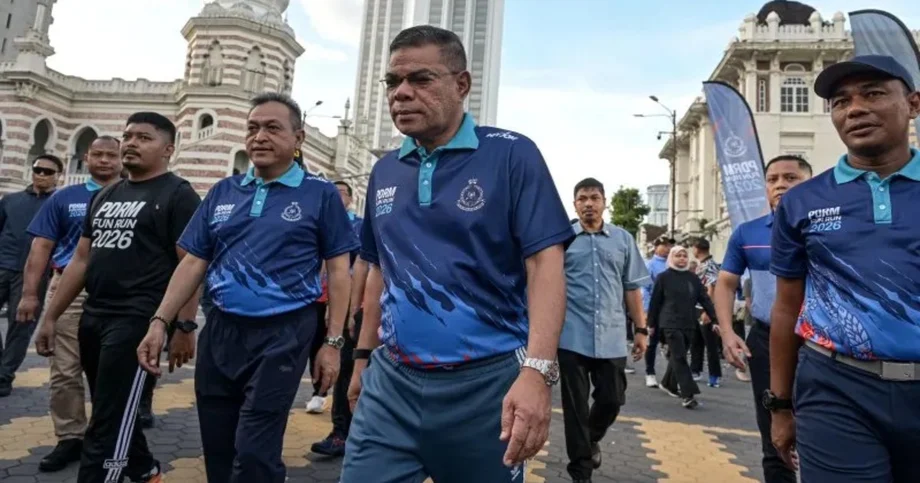
Home Minister Datuk Seri Saifuddin Nasution Ismail announced on Sunday, November 22, 2026, that official records from the Federal Territories Pardons Board meeting concerning Datuk Seri Najib Razak had been declassified. Speaking at the Royal Malaysia Police Fun Run 2026 in Kuala Lumpur, Saifuddin explained that the document disclosure was necessary for the Attorney-General's Chambers to prepare a complete affidavit in response to a judicial review application. The legal challenge, filed on November 10, 2026, by the Malaysian Bar, seeks to overturn the decision allowing the former prime minister to serve the remainder of his prison sentence under house arrest.
Contenido
- Declassification of Pardons Board Minutes Sparks Legal Battles
- Attorney-General and Minister Opposed the House Arrest Arrangement
- Constitutional Powers and Specific Conditions of Detention
- Timeline of Key Events Surrounding the Case
- Legal Battles and Court Proceedings Continue
- Impact on Public Governance and Transparency
- The Essentials
Prime Minister Datuk Seri Anwar Ibrahim previously noted on November 19, 2026, that while the original documents were classified under official secrets laws, court proceedings naturally trigger a declassification process. The release of these records follows an earlier leak on social media by former Damansara Member of Parliament Tony Pua, which prompted demands for official clarification from ruling coalition figures including United Malays National Organisation (UMNO) information chief Datuk Seri Azalina Othman Said. The declassified papers correspond to the 64th meeting of the Pardons Board held at Istana Negara on September 18, 2026.
Attorney-General and Minister Opposed the House Arrest Arrangement
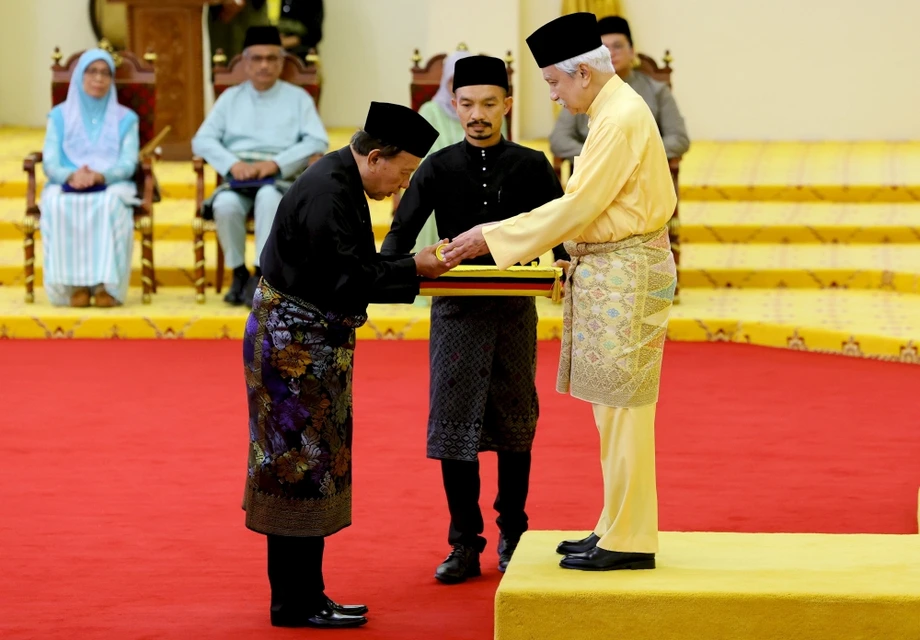
The declassified minutes reveal deep divisions among top officials during the 45-minute meeting presided over by the King of Malaysia, Sultan Ibrahim Sultan Iskandar. Attorney-General Tan Sri Mohd Dusuki Mokhtar and Federal Territories Minister Hannah Yeoh both registered strong objections to the proposal for house arrest. According to the documents, Dusuki warned that granting home detention without a formal legal framework could negatively impact Malaysia's political stability, international image, investment climate, and economy. He stressed that the prisoner should continue serving his sentence within Kajang Prison.
Minister Yeoh supported the Attorney-General's assessment, maintaining the same position she had voiced during earlier deliberations. The records also show that Dusuki urged the board to factor in Najib's ongoing bankruptcy proceedings involving more than RM1.7 billion in unpaid taxes. Sultan Ibrahim countered that the tax arrears were a separate matter and that the former prime minister retained the right to contest those claims in court. Despite the government objections, the monarch exercised constitutional powers to grant a conditional pardon.
Constitutional Powers and Specific Conditions of Detention
Former Federal Court judge Tan Sri Datuk Harmindar Singh Dhaliwal, who serves on the Pardons Board, addressed the legal basis for the decision during the September 18 session. He cited Article 42 of the Federal Constitution, which empowers the Yang di-Pertuan Agong to grant pardons, reprieves, and respites. Prison officer and board member Supri Hashim noted that Najib still faced multiple pending court cases carrying potential additional prison sentences. Former Inspector-General of Police Tan Sri Razarudin Husin agreed with the Attorney-General's views on legal policy but stated he would ultimately abide by the royal decision.
Following discussions, Sultan Ibrahim directed two specific amendments to the conditional pardon order. Paragraph 2.3 was changed to replace the word wife with wives, permitting Najib to live with his wives, children, children-in-law, and grandchildren at his residence on Jalan Langgak Duta in Kuala Lumpur without prior written permission from the prison authorities. Paragraph 5.4 was revised to remove any exceptions for social gatherings, placing a strict ban on Najib organizing or participating in events or gatherings at any location. The conditional release remains tied to the payment of a RM50 million fine, which was settled by UMNO on Najib's behalf.
Timeline of Key Events Surrounding the Case
- July 2020: Najib convicted of abuse of power, criminal breach of trust, and money laundering involving RM42 million from SRC International.
- February 2, 2024: Pardons Board reduces his 12-year prison sentence to six years and lowers his fine from RM210 million to RM50 million.
- September 18, 2026: The 64th Pardons Board meeting at Istana Negara approves a conditional pardon for house arrest.
- November 10, 2026: The High Court orders Najib to serve his remaining sentence under house arrest after the RM50 million fine is paid, while the Malaysian Bar files for judicial review.
- November 18, 2026: Former MP Tony Pua publishes excerpts of the Pardons Board minutes on Facebook.
- November 22, 2026: Home Minister Saifuddin Nasution formally confirms the declassification of the meeting minutes for court purposes.
Legal Battles and Court Proceedings Continue
The Malaysian Bar maintains that Malaysia lacks a statutory framework or standard operating procedures for house arrests. Bar president Anand Raj argued that establishing such an arrangement requires a completely new ecosystem of rules. The legal challenge adds to an earlier appeal by the Bar seeking to quash the 2024 decision that halved Najib's original sentence. The Court of Appeal is scheduled to deliver a ruling on that separate matter on January 7, 2027. Meanwhile, High Court judge Justice Alice Loke fixed January 5, 2027, to deliver her decision in the judicial review application concerning the validity of the royal addendum order.
Government counsel Senior Federal Counsel Shamsul Bolhassan argued before the High Court that the royal addendum order for house arrest was never actually decided during the 61st Pardons Board meeting on January 29, 2024. He contended that any such measure required formal deliberation in the presence of the monarch under Article 42(8) of the Federal Constitution, rendering the unrecorded addendum legally unenforceable. Defence lawyer Tan Sri Muhammad Shafee Abdullah countered that the existence of the addendum order had been proven and criticized authorities for delaying its implementation.
Impact on Public Governance and Transparency
The disclosure of the confidential minutes has fueled parliamentary debates regarding executive responsibility and official signatures. During the September 18 meeting, Minister Yeoh expressed concern over political repercussions and suggested under Section 14 of the Delegation of Powers Act 1956 that another official, such as the Chief Secretary to the Government, sign the conditional pardon order. The monarch's special duties officer and the former police chief rejected this idea, pointing out that the Chief Secretary was not a board member and that delegation would create the false impression that Yeoh was absent. Sultan Ibrahim ultimately instructed Yeoh to fulfill her ministerial duty by signing the document.
Public scrutiny intensified as opposition and government lawmakers alike questioned the mechanisms of executive clemency. The legal friction brings into sharp focus the balance between royal prerogative and institutional accountability. The impending January court rulings will determine whether the house arrest order withstands judicial scrutiny, setting a significant constitutional precedent for future governance in Malaysia.
The Essentials
- Home Minister Saifuddin Nasution Ismail confirmed the declassification of the Federal Territories Pardons Board meeting minutes to enable the Attorney-General's Chambers to defend a judicial review.
- The Malaysian Bar filed a legal challenge against the house arrest arrangement, arguing that Malaysia lacks a formal legal framework for home detention.
- Attorney-General Dusuki Mokhtar and Federal Territories Minister Hannah Yeoh opposed the conditional pardon during the September 18 meeting, citing risks to political stability and the economy.
- Sultan Ibrahim exercised constitutional authority under Article 42 to grant the conditional pardon, subject to a RM50 million fine and strict restrictions on visitors and communications.
- High Court Justice Alice Loke scheduled a decision on the judicial review application for January 5, 2027.