
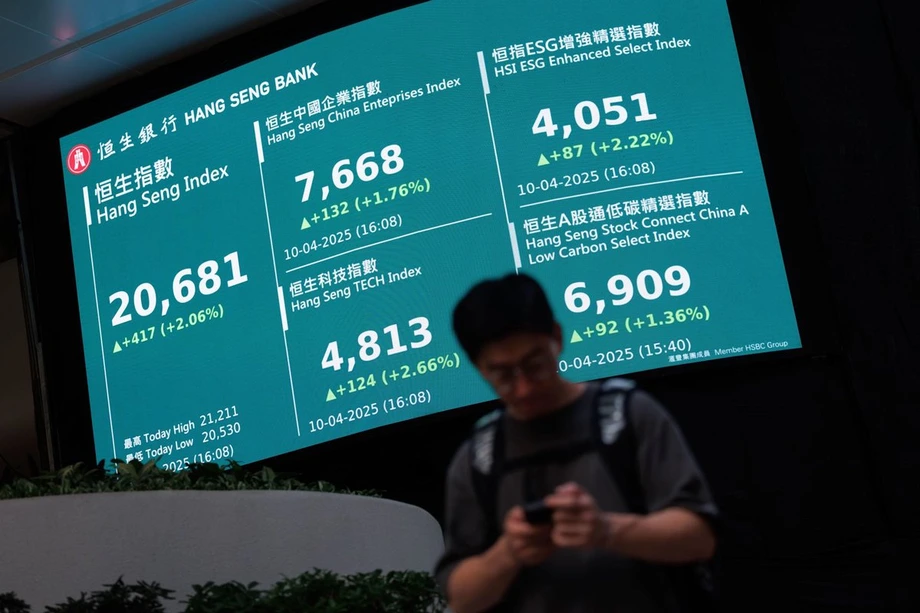
Major Expansion for Hong Kong Technology Benchmark
The Hang Seng Indexes Company announced significant changes to the Hang Seng Technology Index, increasing the number of constituent stocks from 30 to 50 in its quarterly review. The adjustment, which is the first expansion since the index was created, aims to provide a more accurate representation of the evolving Chinese technology sector. In April 2026, Contemporary Amperex Technology Co. Ltd. raised approximately $5 billion in Hong Kong through a private share placement, and the battery manufacturer is now among the prominent firms joining the index. The changes will be implemented after the market close on December 4, 2026, and will officially take effect on December 7, 2026.
Contenido
- Major Expansion for Hong Kong Technology Benchmark
- New Additions Span Artificial Intelligence and Hardware
- Financial Impacts and Passive Fund Rebalancing
- Broader Index Adjustments in the Quarterly Review
- Market Context and Industry Diversification
- What the Changes Mean for Investors and Companies
- At a Glance
New Additions Span Artificial Intelligence and Hardware
The index update introduces 20 new companies without removing any existing constituents. The newly included firms cover hardware, artificial intelligence, cloud computing, robotics, and automation. Alongside CATL, the additions feature ASMPT, Megvii-linked entities, Luxshare Precision, Horizon Robotics, and other emerging technology leaders. This expansion addresses past criticism that the index was overly reliant on a small group of e-commerce and internet platform giants, aligning the benchmark more closely with current global trends focused on artificial intelligence and advanced manufacturing.
Financial Impacts and Passive Fund Rebalancing
Passive index tracking funds are expected to direct substantial capital toward the newly included companies following the expansion. Financial institutions estimate that approximately $371 billion in passive funds track the index, which could generate around 290 billion Hong Kong dollars in rebalancing flows for the incoming stocks. CATL enters the index with a weighting exceeding two percent, making it the largest single new addition. Analysts note that while these inflows will benefit the newly added firms, the inclusion of newer and high growth enterprises could also increase overall volatility for the benchmark.
Broader Index Adjustments in the Quarterly Review
Other major stock indexes managed by the index compiler also experienced adjustments during the same review period. The benchmark Hang Seng Index remained unchanged at 95 constituent companies. The Hang Seng China Enterprises Index added MiniMax and Zhipu while removing Postal Savings Bank of China and Shenzhou International Group Holdings, keeping its total at 50 companies. Meanwhile, the Hang Seng Composite Index expanded its membership from 580 to 585 companies by incorporating Luxshare Precision, Moore Threads, and several other growing enterprises. The changes for these broader indexes are scheduled to take effect concurrently on December 7, 2026, while the Hang Seng Biotechnology Index remains unchanged with its adjustments scheduled for mid-December.
Market Context and Industry Diversification
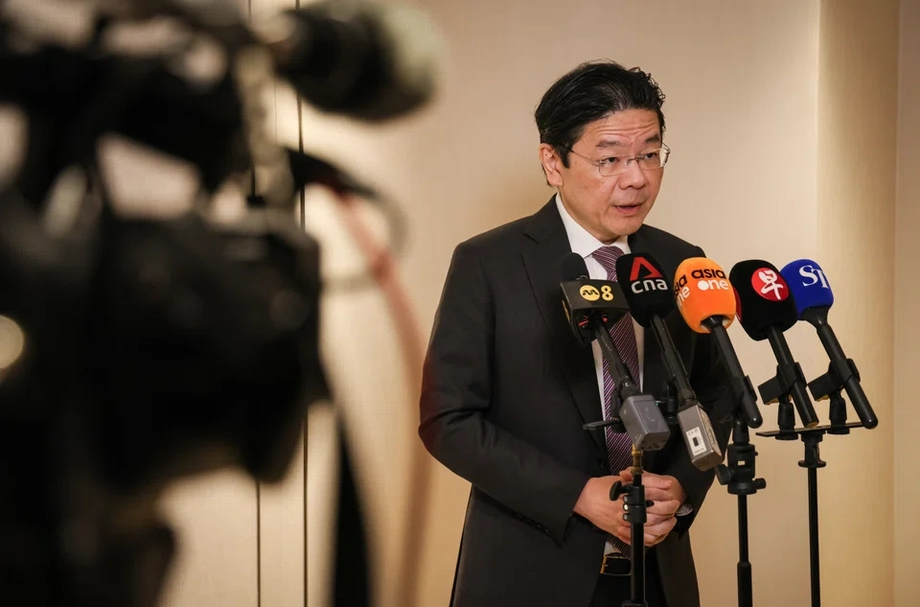
The expansion arrives as regional equity markets navigate a period of heightened caution among investors. The broader Hang Seng Index recently reached a multi-year low amid declining enthusiasm for artificial intelligence narratives and pressures on major technology earnings. Louis Kuang, head of strategy and economic research for Asia-Pacific at BNP Paribas, explained how the structural makeup of the local market has shifted over recent years. Kuang stated:
First, the expansion reflects a more noticeable structural change in the entire Hong Kong stock market. A few years ago, when it just started, it was mainly some internet platform companies, dominated by large companies, and over the past 12 to 18 months, we have seen many companies related to artificial intelligence or semiconductors come to Hong Kong to list, which also confirms that the entire Hong Kong stock market is becoming increasingly diversified, and there are more choices for investors, so they can make more diversified investment choices between software and hardware.
What the Changes Mean for Investors and Companies
The inclusion of hardware manufacturers, battery producers, and artificial intelligence developers broadens the scope of investments available to market participants. Investors utilizing index funds will automatically hold stakes in these newly represented sectors, spreading their exposure beyond traditional software and platform giants. Companies entering the index gain greater visibility among global institutional investors and benefit from the liquidity provided by passive funds that must adjust their portfolios to match the new 50-stock composition. Special situation investors closely monitored the review process, occasionally positioning themselves ahead of the official announcement by anticipating which firms met the expanded criteria for inclusion.
At a Glance
- The Hang Seng Technology Index expanded from 30 to 50 constituent stocks in its quarterly review.
- Twenty new companies joined the index without any removals, marking the first expansion since its launch.
- Changes will be implemented after the market close on December 4, 2026, and become effective on December 7, 2026.
- CATL entered the index with a weighting exceeding two percent as the largest single new addition.
- The Hang Seng Index and Hang Seng Biotechnology Index remained unchanged with 95 and 30 constituents respectively.