

Managing Multiple Devices Without Juggling Lines
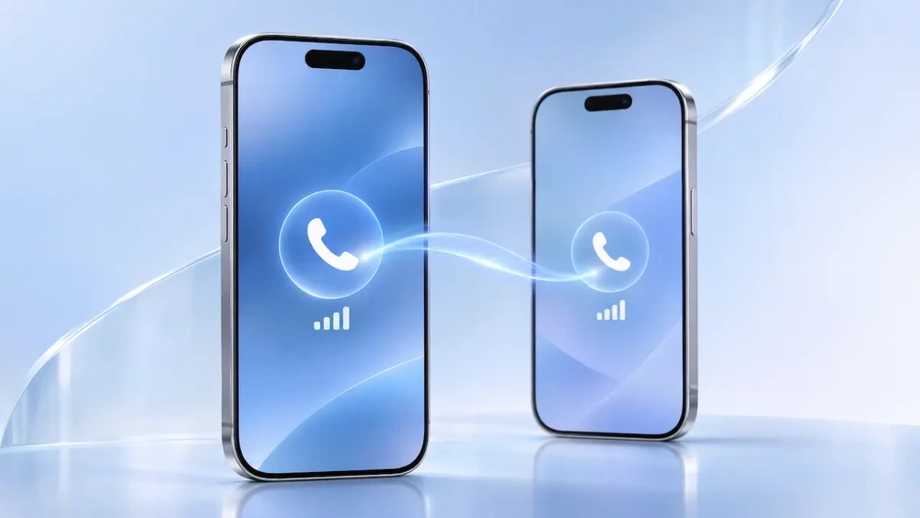
Apple announced a new feature called iPhone Handoff on November 20, 2026, arriving alongside the software release known as iOS 27. The function allows owners of two compatible iPhone models to share a single phone number across both devices. Previously, people who carried a primary handset for daily use alongside a secondary device had to choose between maintaining two separate mobile lines or manually moving physical SIM cards. The software update addresses that inconvenience by creating a dynamic switching architecture linked to the iCloud ecosystem, letting the active cellular line move automatically when a user picks up a different handset.
Contenido
- Managing Multiple Devices Without Juggling Lines
- How Unlocking Switches Your Active Cellular Line
- Global Carrier Launch Partners and Monthly Switching Fees
- Contrasting With Regional Services and Local Carrier Fees
- Release Timeline of Related Software Updates
- System Recovery Tools for Failed Installations
- The Bottom Line
Apple designed the capability specifically for individual multi-device owners rather than family sharing. The system designates one handset as the main iPhone and the other as a secondary device. Ryan Christoffel reported on November 20, 2026, that the setup requires an initial configuration in the device settings where the user pairs the two units.
Apple explained the core role division in an official statement, noting that the main phone should be the device someone uses most frequently. Certain carrier controls, including call forwarding, caller ID settings, and account management, remain restricted exclusively to that primary unit. The update requires iPhone 11 or later models running iOS 27 or subsequent software.
How Unlocking Switches Your Active Cellular Line
Switching between devices happens automatically during daily use without requiring manual menu navigation. A user simply picks up the secondary or primary iPhone and unlocks the screen with a private passcode. That simple action transfers the active phone number instantly to the device in hand. A confirmation banner displaying the text "Switched to this iPhone" appears at the top of the display to verify the transfer. Call routing, voicemail, and text messages all follow the active line to the newly unlocked handset.
Apple enforces a strict rule where the phone number remains active on only one iPhone at a time. The system prevents simultaneous ringing on both devices, distinguishing it from traditional multi-SIM architectures offered by some overseas operators. Mash Yang reported on November 21, 2026, that users are advised to set secure passcodes on both handsets to prevent anyone nearby from accidentally hijacking the active connection by unlocking an idle device.
Peripheral connections behave differently depending on the accessory type. Apple Wallet items such as credit cards and digital car keys synchronize across both iPhones. Certain transit cards like Suica Express Transit, digital identification documents, and corporate badges continue to function on only one active iPhone at a time. Apple also recommends keeping any paired Apple Watch connected to the primary iPhone rather than transferring the pairing automatically.
For business users who rely on dual eSIM configurations, the system supports synchronized switching if both carriers enable the feature. Unlocking the target phone transfers both cellular lines simultaneously, removing the need to manage each line separately. The feature remains active continuously once configured, requiring direct contact with the mobile network operator to cancel the service rather than simply deleting the eSIM profile from the device settings.
Global Carrier Launch Partners and Monthly Switching Fees
Telecommunications operators must update their backend routing systems to support the dynamic transfer of eSIM credentials between two handsets. The initial rollout features limited availability across a handful of international networks. T-Mobile acts as a launch partner in the United States, charging subscribers an additional fee of $5 each month. Verizon confirmed support scheduled by the end of the year with a monthly fee of $10, doubling the price set by T-Mobile and drawing complaints from consumers accustomed to free physical card swaps.
European carriers adopted varying pricing structures for the new capability. Deutsche Telekom integrated the function into its existing multi-service architecture for €6.95 per month, which is included in higher-tier MagentaMobil plans. British carrier EE joined the rollout in November as a £5 monthly add-on for unlimited data plans, though international roaming switching is currently unsupported. Apple indicated plans to expand network support to additional operators in future updates.
Contrasting With Regional Services and Local Carrier Fees
Taiwanese mobile subscribers face a distinct landscape when comparing the new Apple feature to existing domestic offerings. Taiwan's major telecommunications providers, including Chunghwa Telecom, Taiwan Mobile, and Far EasTone, do not currently appear on Apple's initial support list. Domestic operators previously established restrictive terms for multi-device services. Existing multi-device offerings in Taiwan, often called One Number services, are strictly limited to pairing one smartphone with a wearable accessory like a smartwatch, and are typically priced at a discounted rate of NT$149 per month compared to the original NT$199 rate. Using a secondary eSIM inside a second smartphone is prohibited, with Taiwan Mobile enforcing speed throttling if unauthorized secondary phone usage is detected.
Local consumers face additional financial hurdles if domestic carriers eventually adopt the feature. Taiwanese operators traditionally charge a setup fee of NT$300 for every individual eSIM replacement or transfer, requiring customers to scan a physical paper QR code rather than utilizing automated software tools. Furthermore, market analysts note that popular messaging applications present integration challenges. LINE, the dominant messaging platform in Taiwan and Japan, restricts user accounts to a single primary smartphone alongside linked tablets or computers. The app does not support simultaneous login sessions across two iOS smartphones, meaning that unlocking a secondary iPhone to switch the phone number would force a logout on the previous device and erase local chat histories, reducing the practical value of the hardware setup locally.
Release Timeline of Related Software Updates
Apple's recent software developments span several key announcements and regional rollouts across multiple operating system versions:
- June 2026: Apple announced Siri AI, combining voice assistant capabilities with artificial intelligence models.
- September 2026: Regulatory permits were issued in mainland China for recent iPhones to use approved artificial intelligence models.
- September 2026: Media attention focused on the upcoming iPhone Handoff feature ahead of its integration into iOS 27.
- October 15, 2026: Tim Cook confirmed during a visit to Shanghai that local AI integrations had received regulatory approval.
- October 26, 2026: Apple released version 27.2 in the United States, expanding assistant language support to six languages.
- October 27, 2026: The iOS 27.2 update reached Japanese users, opening gradual beta access for personal search tools.
- November 20, 2026: Apple officially detailed iPhone Handoff capabilities for dual-device users with the release of iOS 27.
- November 21, 2026: Industry reports detailed global carrier pricing and regional technical limitations for the new software feature.
System Recovery Tools for Failed Installations
Installing major software updates like iOS 27 occasionally leads to unexpected system instabilities, such as devices failing to boot properly, freezing on the Apple logo screen, black displays, or interrupted installation progress. Third-party recovery utilities like Tenorshare ReiBoot provide an alternative method for users experiencing update failures or feature glitches across iOS and iPadOS. The software features a standard repair mode designed to resolve common startup loops and unresponsive hardware states without erasing device data. Users preparing to install upcoming operating system releases can utilize such maintenance tools to restore normal functionality if software conflicts prevent normal device startup.
The Bottom Line
Key points covering the launch of iPhone Handoff in iOS 27:
- iOS 27 introduces iPhone Handoff to let two compatible iPhones share a single phone number using dynamic eSIM switching.
- Unlocking either device automatically moves the active cellular line to that handset, keeping the number active on only one phone at a time.
- Initial carrier support is limited, with operators like T-Mobile and Deutsche Telekom charging monthly subscription fees ranging from $5 to nearly €7.
- Major Taiwanese telecommunications operators do not currently support the feature, and local messaging app restrictions present additional barriers.
- System utilities such as ReiBoot offer recovery options for users encountering installation errors during major operating system updates.