

New Payout Scheme for Retirees
Employees in India will soon have a structured way to draw retirement funds following a major policy shift by the retirement fund body. The Central Board of Trustees of the Employees Provident Fund Organisation approved a Systematic Withdrawal Plan during its 240th meeting held in New Delhi on November 19, 2026. Union Labour and Employment Minister Mansukh Mandaviya chaired the session where officials cleared the framework to help millions of subscribers manage their post-retirement finances without taking out their entire corpus in a single lump sum. Subscribers reaching superannuation can now choose periodic payouts instead of closing their accounts entirely.
Contenido
The newly approved system offers multiple intervals for receiving money from the provident fund account. Members can opt for monthly withdrawals, quarterly withdrawals, or half-yearly withdrawals depending on their personal financial requirements. The remaining balance left in the provident fund account continues to earn interest based on prevailing rates set by the authority. This setup ensures that retirees maintain ownership of their accumulated capital while generating a steady stream of income that acts much like a pension. The option remains entirely voluntary for all qualifying individuals.
Initial Beneficiaries and Payout Mechanics
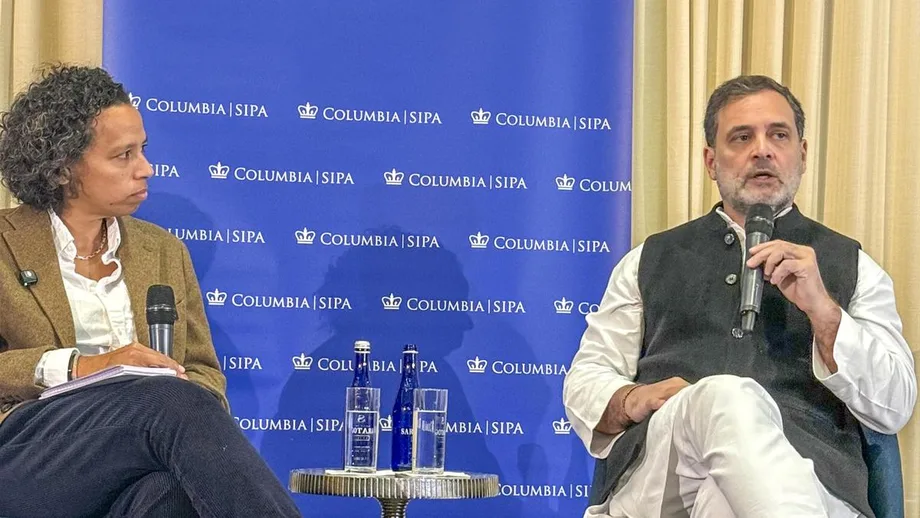
Data from the initial rollout phase indicates that approximately 6.32 lakh members aged above 55 years with accumulations exceeding Rs 5 lakh will form the primary group of beneficiaries. Retirees often face the challenge of finding safe investment vehicles for their lump sum savings, exposing them to market volatility and reinvestment risks. By leaving the bulk of their capital within the provident fund framework, members bypass the need to seek riskier alternatives just to generate regular income. Officials noted that the facility also extends protections to families if circumstances change during the payout phase. Union Labour and Employment Minister Mansukh Mandaviya explained the core objective of the initiative on social media platforms by highlighting the new choices available to retiring workers.
Retirement savings can now be accessed in installments according to personal convenience while the remaining balance continues to earn returns.
Account holders who pass away during the active payout period leave behind clear options for their nominees or dependants. Families can choose to withdraw the remaining balance as a lump sum or continue receiving the scheduled periodic payments. Officials stated that this flexibility aims to safeguard households against sudden financial distress and provides a reliable safety net for older adults.
Relaxed Rules for Emergency Withdrawals
Board members also introduced significant relaxations regarding emergency access to provident fund savings. The mandatory minimum balance requirement that members had to keep in their accounts dropped from 25 percent down to 10 percent. This reduction allows active workers to tap into a larger portion of their eligible savings when facing financial strain. Furthermore, the waiting period required for final provident fund settlement following job loss or unemployment dropped from 12 months down to just two months. Workers experiencing job termination can now access their funds much faster to cover daily expenses during the transition period.
Partial withdrawals for specific life events also saw administrative hurdles cleared. The minimum membership duration required to qualify for partial withdrawals covering medical treatment, marriages, children education, and home purchases dropped from 12 months down to two months. These adjustments give workers greater liquidity and reduce reliance on high-interest loans during personal emergencies. The regulatory body expects these changes to ease the financial pressure on workers facing sudden employment disruptions.
Technology Upgrades and Faster Claim Settlements
Operational efficiency within the organisation improved substantially following the deployment of advanced digital infrastructure. The Centralised IT Enabled System 2.0 platform, developed by the Centre for Development of Advanced Computing, automated a large share of incoming paperwork. Following the full deployment of this digital platform, the proportion of automatically processed claims increased from 39 percent to 71 percent. The automated pre-validation procedures and streamlined limits also reduced the overall claim rejection rate from 23 percent to 7.82 percent.
The average time required to settle a valid claim dropped from 11.15 days down to 2.57 days. Officials noted that smooth processing depends heavily on accurate record-keeping, as errors in personal identification or service history require manual intervention. The integration of digital systems ensures that workers receive their requested funds without facing administrative delays that previously slowed down manual verification steps.
Investment Diversification and Fund Transfers
Board members gave in-principle approval to diversify the investment portfolio by allowing allocations into Alternative Investment Funds. The authority can now invest up to 3 percent of fresh accretions into eligible Alternative Investment Funds within the existing investment ceiling. These initial deployments will route exclusively through government-backed entities to maintain strict oversight and safeguard subscriber capital. The strategy seeks to explore new growth avenues while keeping risk profiles within acceptable limits for a retirement fund.
Trustees also reviewed cases involving establishments seeking to exit legacy exemptions. A total of 27 establishments surrendered their exemptions while four had their exemptions cancelled, bringing approximately Rs 5,996 crore in provident fund savings under direct management. This administrative consolidation covers 1,44,437 members who will now receive direct services from the central organisation. Additional amendments to the Employees Deposit Linked Insurance Scheme provided a six-month window for eligible establishments to renew expired exemptions without facing penal damages for verified transitional gaps.
Tax Implications and Future Guidelines
Questions regarding the tax treatment of systematic withdrawals remain under review by financial regulators. Under existing income tax regulations, provident fund withdrawals are generally tax-free for employees who complete at least five years of continuous service. Exemptions also apply when withdrawals occur due to ill health, company closures, or job losses beyond the control of the worker. Transfers of provident fund balances between employers count toward fulfilling the five-year service requirement if executed properly.
Government authorities have not yet published definitive tax guidelines specifically tailored for the newly introduced periodic withdrawal framework. Experts advise members to monitor upcoming notifications from the Ministry of Finance regarding potential tax exemptions for systematic payouts. Until formal circulars clarify the tax status of these installments, subscribers must evaluate their individual contribution histories and service durations to determine their tax liabilities.
The Bottom Line
- The Employees Provident Fund Organisation approved a Systematic Withdrawal Plan allowing retirees to receive periodic payouts.
- Members can choose monthly, quarterly, or half-yearly instalments while the remaining balance continues to earn interest.
- The minimum balance requirement for accounts dropped from 25 percent to 10 percent.
- The waiting period for final settlement after unemployment was reduced from 12 months to two months.
- Automated claim processing under CITES 2.0 reduced average settlement times to 2.57 days.